Is 2026 the Year to Finally Go Off-Grid?
For years, the high cost of energy storage was the biggest barrier for Australian homeowners. However, as we move through 2026, a “perfect storm” of falling manufacturing costs and new technology has made solar batteries more accessible than ever.
If you’ve been waiting for prices to drop, here is why now is the time to act.
Why are Battery Prices Dropping?
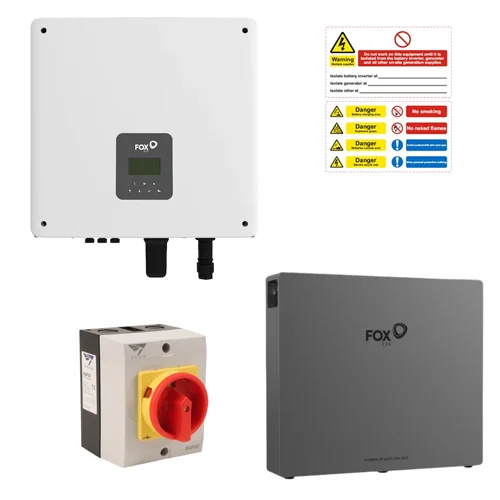
The shift toward Lithium Iron Phosphate (LiFePO4) technology—like that used in Solar Fox systems—has revolutionized the market. These batteries are not only safer but are now mass-produced at a scale that has significantly lowered the “cost per kilowatt-hour” (kWh).
Top 3 Budget-Friendly Strategies for Aussies:
-
Start Small with Modular Systems: You don’t need a massive 15kWh system on day one. Modern units allow you to start with a 5kWh module and add more as your budget permits.
-
Focus on “Usable Energy”: Don’t just look at the total capacity. Look at the Depth of Discharge (DoD). A cheaper battery with 100% DoD is often better value than a larger one with only 80% usable power.
-
The 10-Year Value Test: A “cheap” battery that only lasts 5 years is actually expensive. Always prioritize units with a 10-year comprehensive warranty to ensure your investment pays for itself.
The Bottom Line
With electricity prices continuing to fluctuate, an affordable solar battery is no longer a luxury—it’s a tool for financial independence. By storing your excess solar power, you can reduce your reliance on the grid and protect your household from peak-hour energy spikes.
Blog Post 2: Navigating 2026 Government Rebates: How to Save on Your Installation
Don’t Leave Money on the Table
Did you know that various Australian government incentives can potentially shave thousands of dollars off the upfront cost of a solar battery? In 2026, these programs are specifically designed to help households transition to renewable energy.
1. The Federal Incentive (STC Program)
The Small-scale Renewable Energy Scheme continues to provide significant support. By installing a CEC-approved system, homeowners receive “certificates” that installers typically apply as a direct discount on your quote.
2. State-Specific Bonuses
Depending on where you live, you might be eligible for even more:
-
Western Australia & Victoria: Look for interest-free loans and targeted rebates for low-to-middle-income families.
-
New South Wales: Focus on the Peak Demand Reduction Scheme, which rewards you for installing smart-ready batteries.
3. The VPP Advantage (Virtual Power Plants)
A Virtual Power Plant (VPP) is a network of home batteries that work together to support the grid. By joining a VPP:
-
You often receive an upfront sign-up bonus.
-
You get ongoing credits on your electricity bill.
-
Your battery helps prevent blackouts in your local community.
How to Claim Your Rebate?
To ensure you qualify for these incentives, your system must be installed by a Clean Energy Council (CEC) Accredited professional. Additionally, your battery technology must meet Australian safety standards (IP65 rating for outdoor use is a must!).